Reading relative velocity
Knowing how fast you're moving compared to the target matters far more than your absolute speed around the planet.
Orbital rescue games ask you to reach a research ship in trouble and bring it home safely. Here's what makes them tick and which skills you'll lean on from your very first mission.
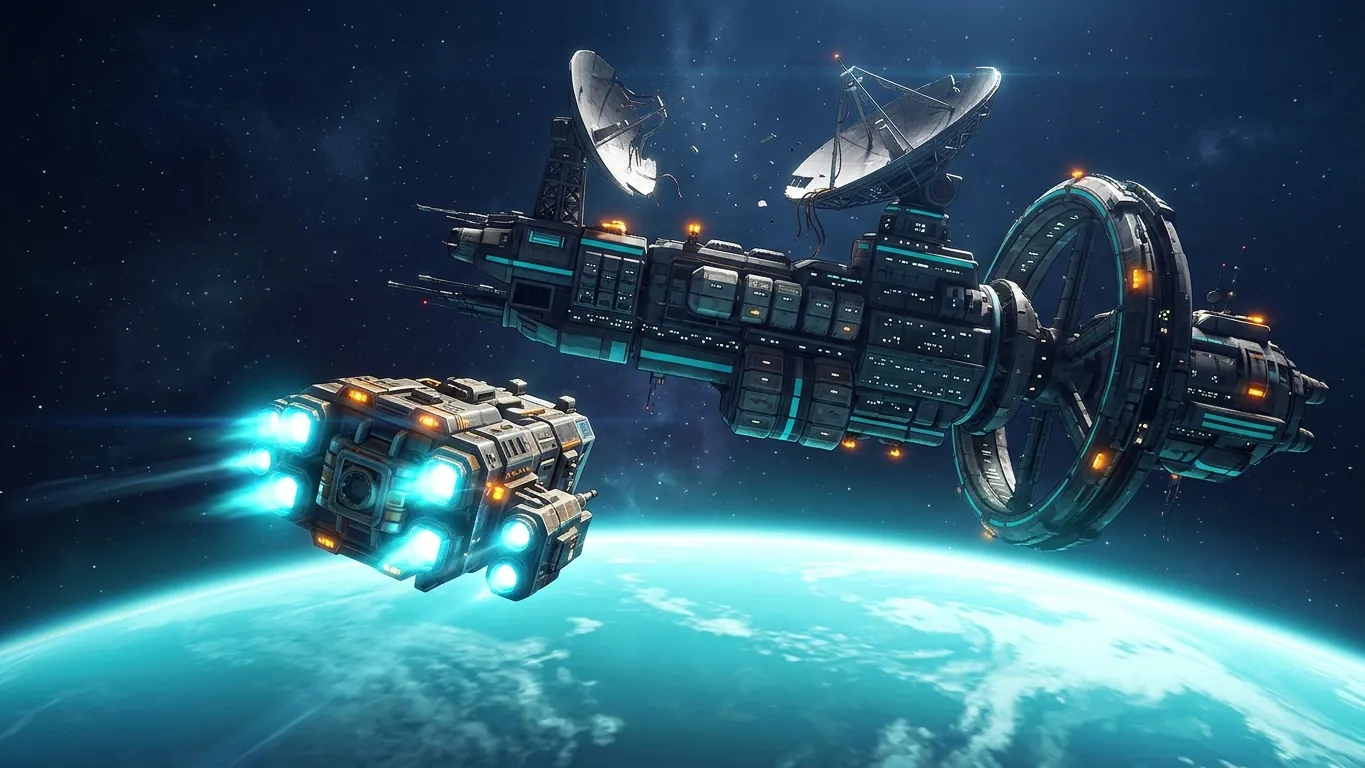
Most space games you've played probably involve chasing something and shooting at it. Orbital rescue flips that idea around. Your target isn't an enemy, it's a research ship full of people and fragile instruments that has lost power, propulsion or both. The goal is to arrive gently, not quickly.
That changes everything about how you fly. Speed becomes a liability. A collision that would barely scratch a fighter can crack a damaged hull or send a stranded vessel into a worse tumble. Instead of aiming and firing, you'll be reading trajectories, nudging thrusters in short bursts and watching your relative velocity like a hawk.
If you come in expecting action, the pace may feel slow at first. Give it a few missions. Many players find that the quiet concentration of a careful approach becomes the most satisfying part of the game.
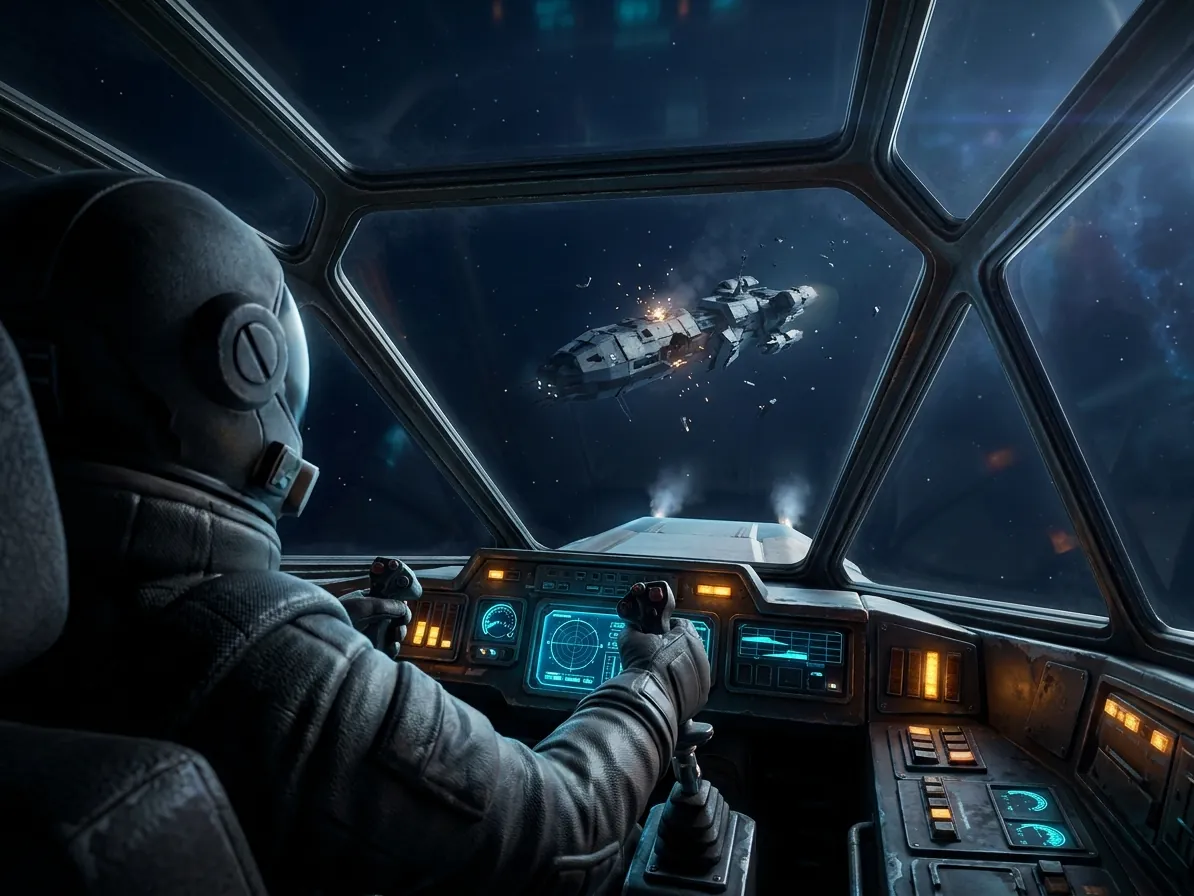
Nearly every orbital rescue runs on three overlapping pressures. The first is time. The stranded crew may have limited life support, a decaying orbit or a failing reactor, and the clock usually doesn't care how carefully you're flying.
The second is fuel. Every burn costs propellant, and in orbit you can't just coast to a stop. Wasting fuel on sloppy maneuvers early can leave you without enough to dock, let alone return.
The third is air, both yours and the crew's. If you go out on a spacewalk or the stranded crew depends on your ship's supplies, oxygen becomes another budget to manage.
The interesting decisions in these games come from how those three pressures pull against each other. Flying faster saves time but burns fuel. Moving carefully through a derelict saves your suit but costs minutes. Learning to balance them is the real skill.
These skills show up again and again, regardless of which orbital rescue game you're playing.
Knowing how fast you're moving compared to the target matters far more than your absolute speed around the planet.
Tiny bursts are easier to correct than long burns. Think taps, not holds.
Before you commit to a docking, make sure you know how you'll get home afterward.
Damaged ships have sealed doors, breached rooms and loose debris. Moving slowly keeps you safe.
Sometimes you can't save every crew member and every sample. Deciding what comes first is part of the game.
Research vessels are a great fit for rescue games because they're full of story. A cargo hauler is mostly empty space, but a research ship has labs, sample vaults, observation decks and crews with specific jobs. Each room hints at what went wrong and what's worth saving.
They're also fragile by design. Long booms, antenna arrays and solar wings make docking harder and give the level designers plenty of ways to create obstacles. A ship spinning slowly with a broken solar panel sweeping past your approach path is a much more memorable challenge than a simple box.
Your first few rescues are about building intuition, not perfect scores. Take the tutorials seriously, even if you're tempted to skip them, because they usually explain how that particular game treats thrust, rotation and docking.
It also helps to accept that you'll fail a few times. Overshooting a target or bumping a hull is how almost everyone learns. Pay attention to what went wrong, then try again with smaller inputs and a little more patience. Before long, the motion of objects in orbit will start to feel natural, and that's when these games really open up.
If there's a specific basic concept you'd like us to explain in more depth, send us a note through the Contact page.
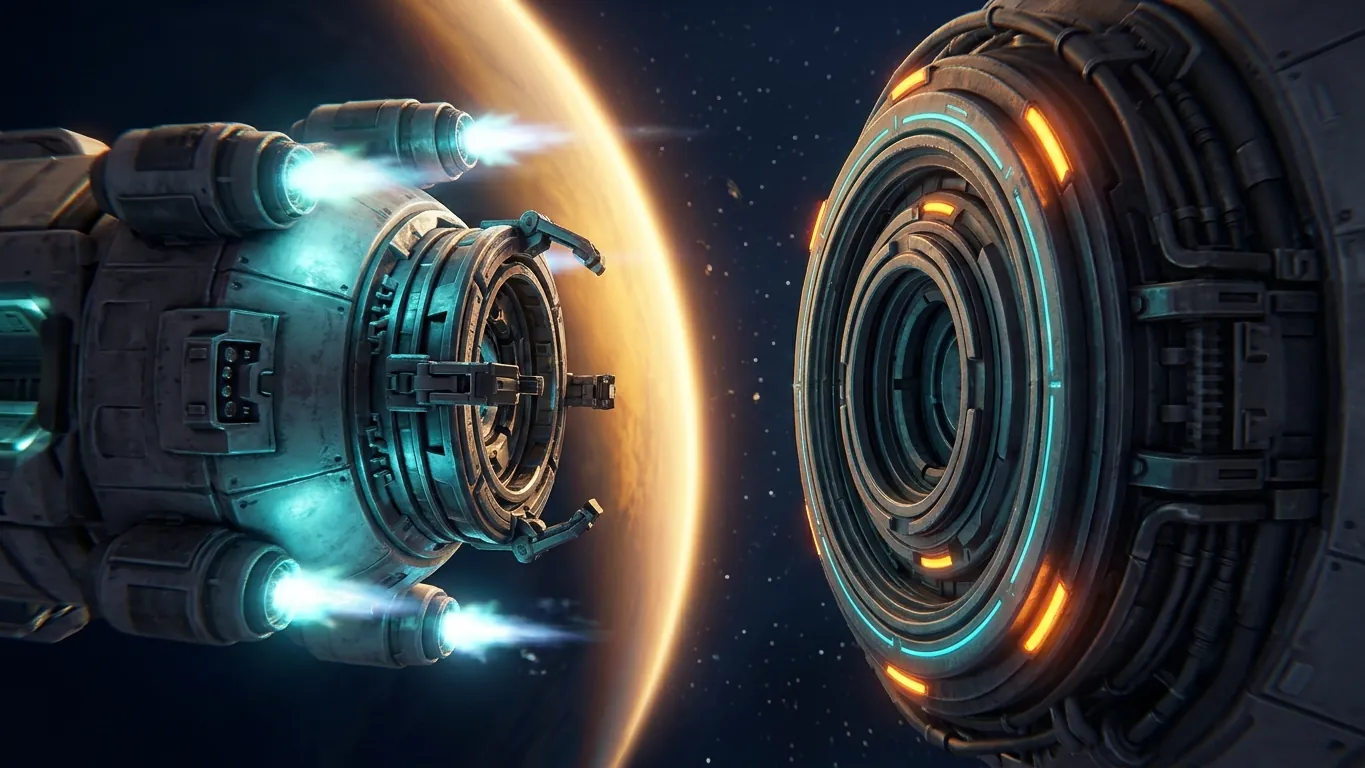 Matching orbits and docking with a drifting ship
A practical guide to closing in on a drifting research vessel, using the catch-up trick, docking calmly and handling a slowly tumbling target.
Read more
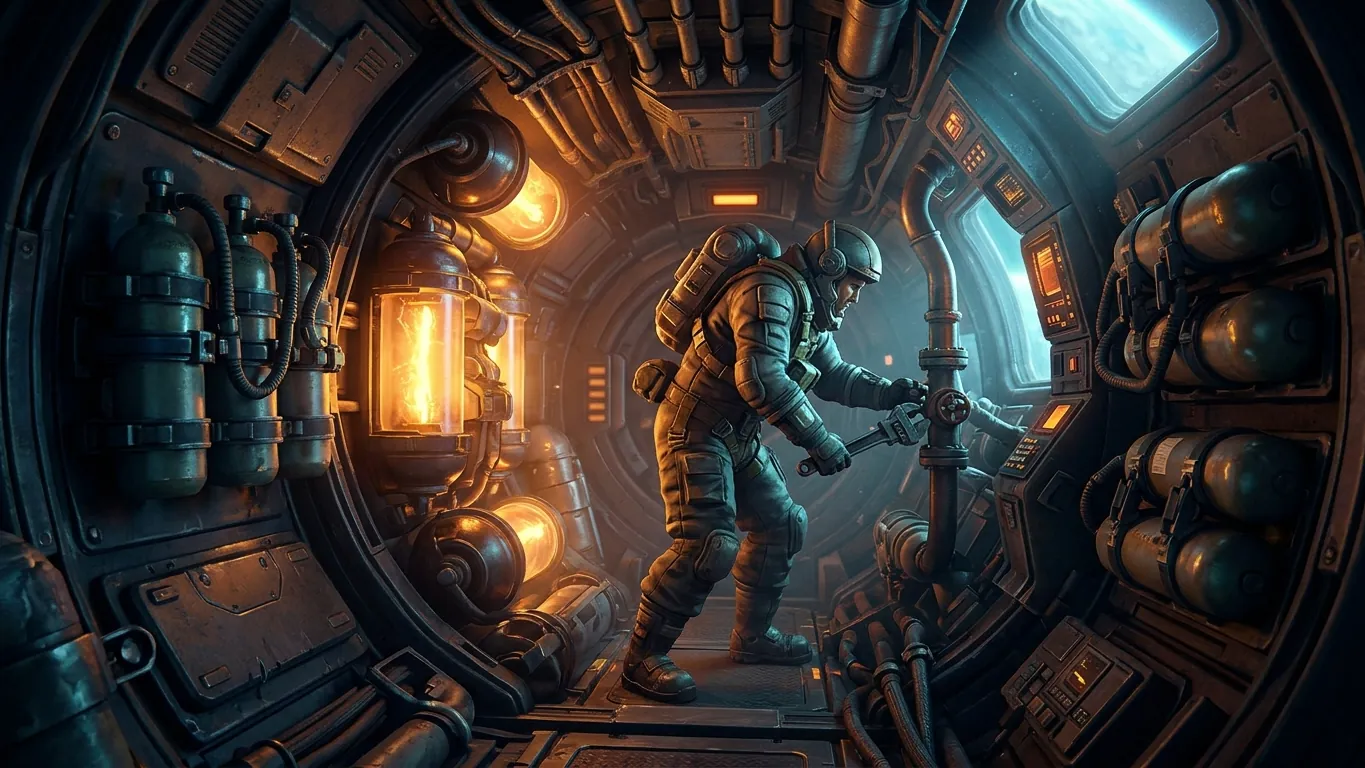 Fuel and oxygen budgeting for orbital rescues
Practical tips for budgeting fuel and oxygen in orbital rescue games, from keeping a return margin to knowing when to abort and try again.
Read more
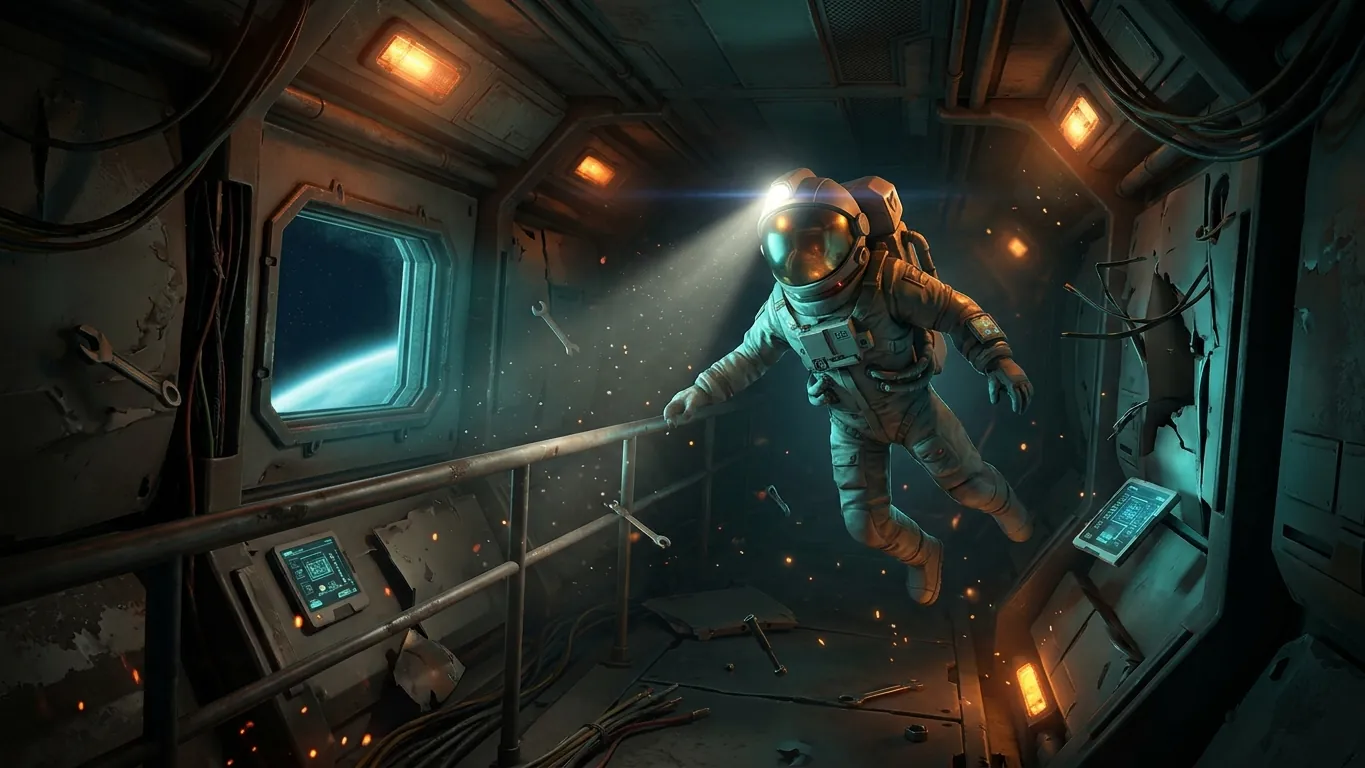 Reading a damaged research ship from the inside
An explainer on exploring derelict research ships in orbital rescue games: airlocks, pressure, power routing, research cargo and safe movement.
Read more