Why orbital rescue games deserve more attention
Rescue-focused space games offer something rare: tension and challenge built around helping rather than defeating. Here's why we think the theme is worth celebrating.
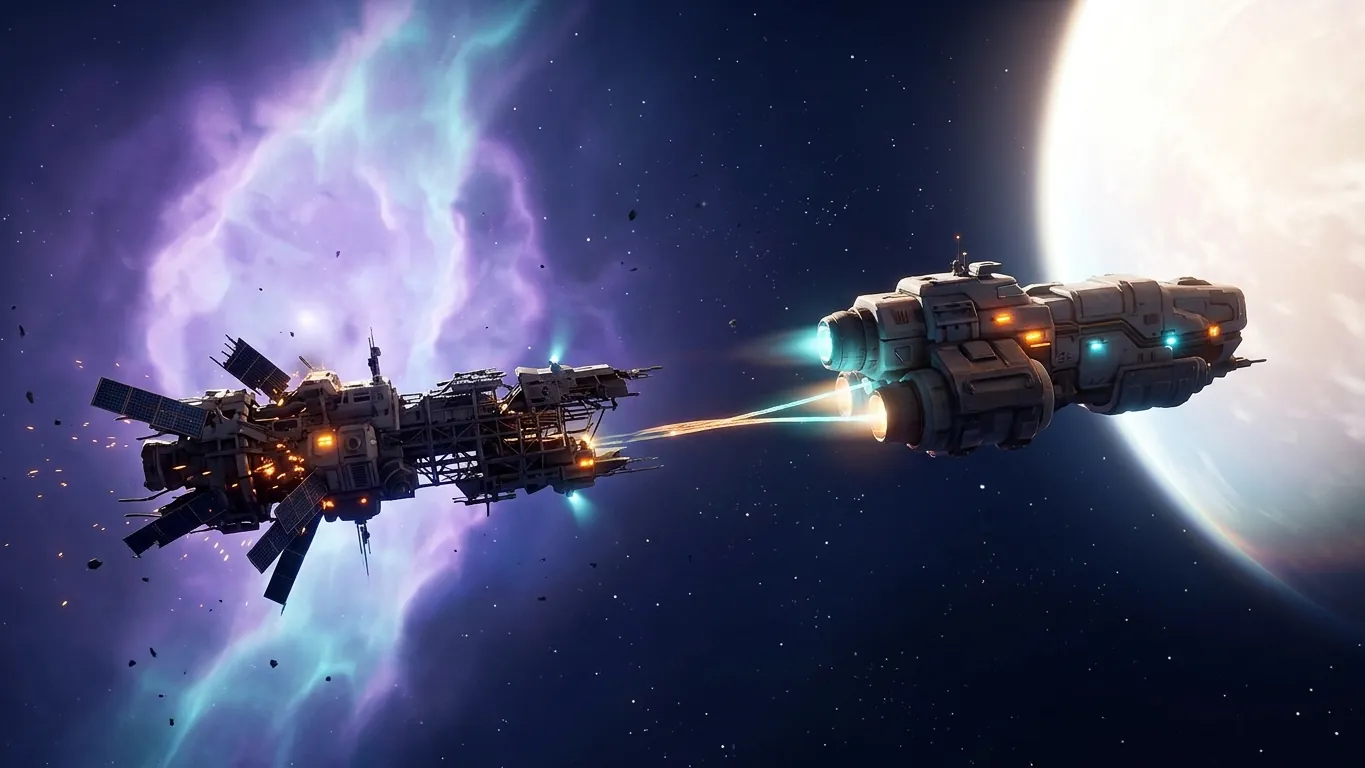
A genre built on care instead of conquest
So many space games are about taking things: territory, resources, enemy fleets. Orbital rescue games ask a different question. What if your job was to help? What if the most important thing you could do was arrive gently, open a hatch and bring people home?
That shift in purpose changes how a game feels. Every careful maneuver has a reason that goes beyond your score. When you finally guide a stranded crew into your cabin and pull away from their failing ship, the relief is genuine. It's a quieter emotion than the thrill of victory, but in our opinion it lingers longer.

Tension without enemies
One of the most interesting things about these games is that they create real tension with almost no villains. The antagonists are physics, time and the environment. A slowly tumbling hull, a dwindling air supply or a decaying orbit can feel more threatening than any enemy ship, precisely because you can't fight them. You can only plan around them.
This makes the challenge feel fair and grounded. When things go wrong, it's usually because of a decision you made, like a burn held too long or a door opened without checking pressure. That clarity makes each mistake a lesson rather than a frustration.
Physics as a quiet teacher
Orbital rescue games often teach players real ideas about how things move in space without ever feeling like a lesson. The first time you realize that slowing down helps you catch a ship ahead of you, something clicks. It's counterintuitive, and discovering it through play makes it stick.
Not every game aims for accuracy, and that's fine. Some simplify the physics to keep the focus on story or exploration. Still, even lighter games tend to reward the same habits: patience, small corrections and thinking ahead. Those habits feel good to develop, and they make the genre approachable for curious players who might find a textbook dry.
What we'd love to see more of
We'd love more games that lean into the research side of these ships. Labs full of half-finished experiments, crew logs that reveal personalities and missions where saving a scientist's work matters to the story would add a lot of emotional weight.
We'd also enjoy more cooperative rescues, where one player flies while another works inside the derelict, communicating to keep the mission on track. The genre's emphasis on planning and teamwork seems like a natural fit for that kind of play.
And finally, we'd like to see more games give players room to make hard choices without punishing them harshly. Evacuation dilemmas are compelling, and they work best when players feel free to experiment.
Your turn
These are our opinions, and we know every player brings their own perspective. Maybe you love orbital rescue for the calm atmosphere, or maybe it's the puzzle of planning a perfect approach that keeps you coming back. Whatever draws you in, we'd enjoy hearing about it.
If there's a part of the genre you'd like us to explore further, or an idea you think deserves a full article, send it our way through the Contact page.
Related articles
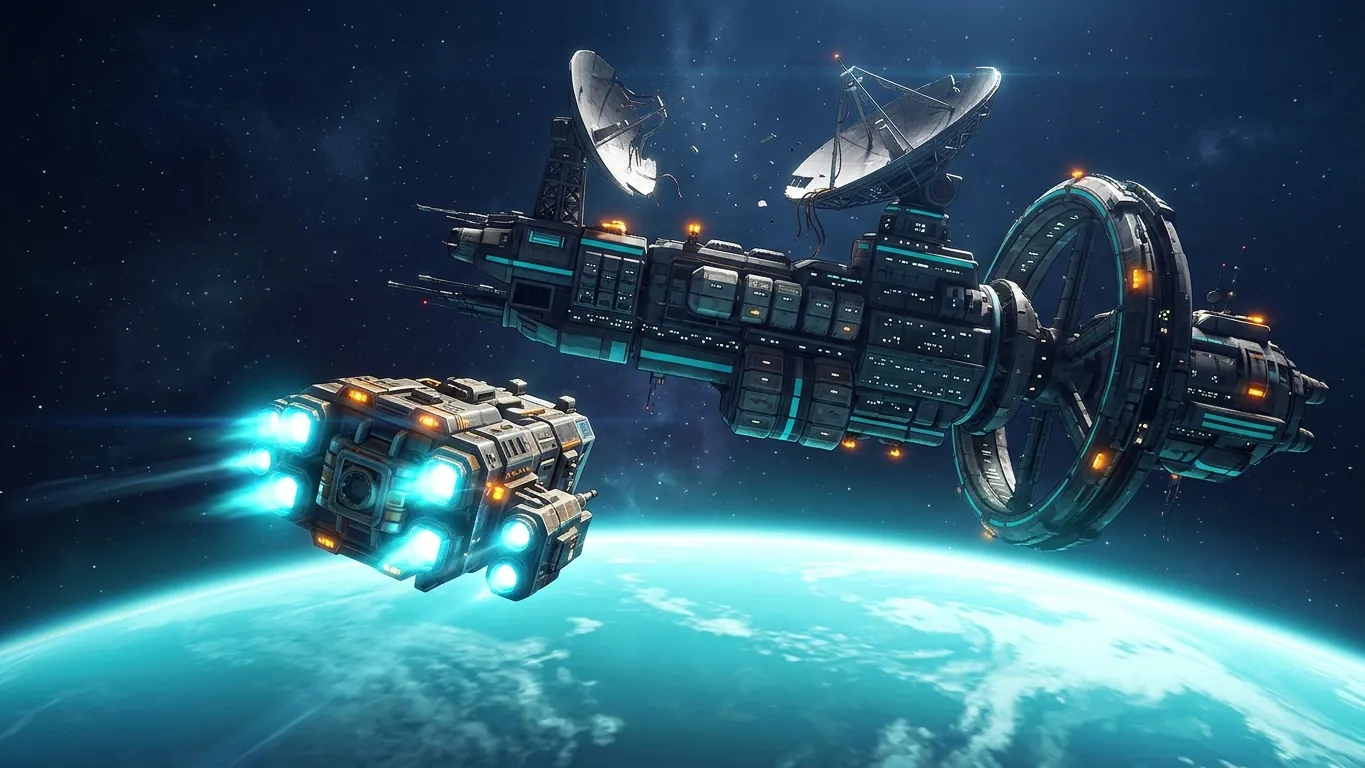 Orbital rescue games: a beginner's overview
New to orbital rescue games? Learn what makes these missions unique, the pressures you'll face and the core skills that carry across many games.
Read more
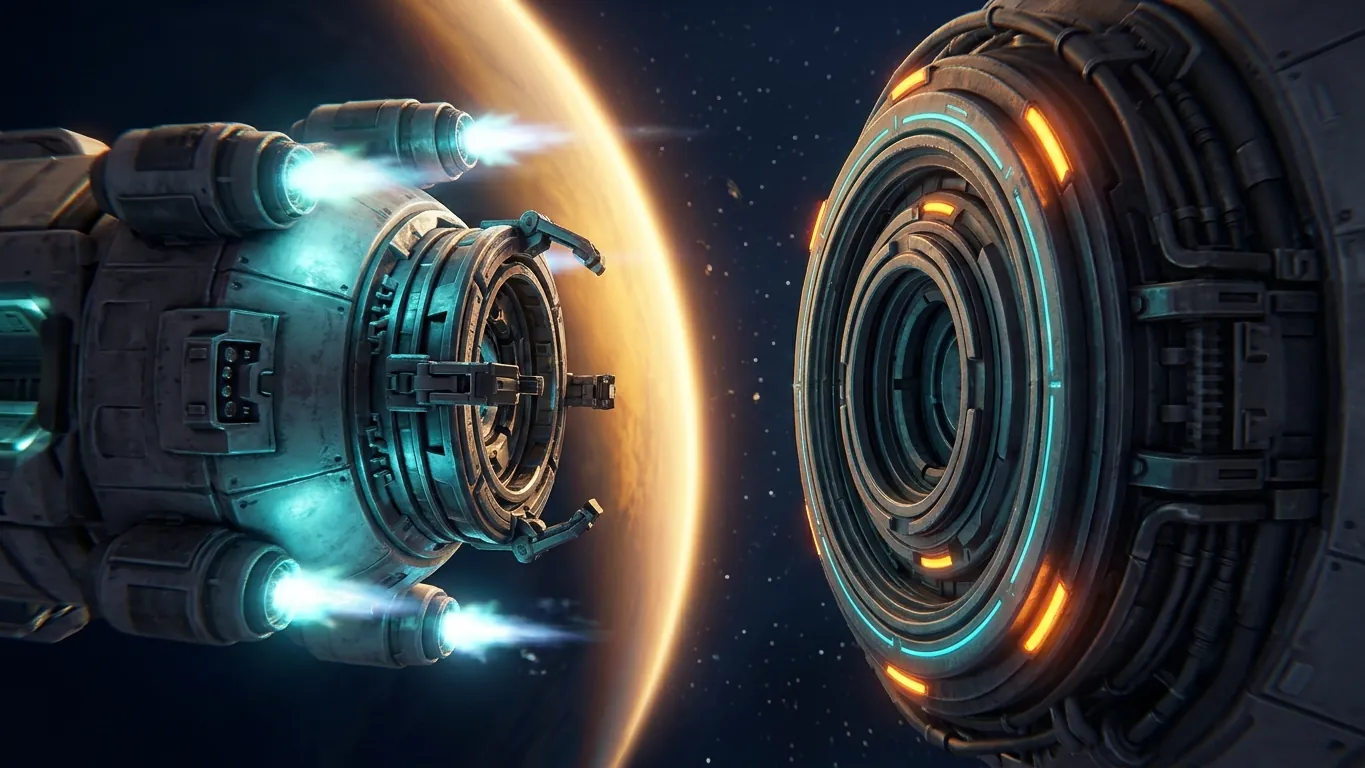 Matching orbits and docking with a drifting ship
A practical guide to closing in on a drifting research vessel, using the catch-up trick, docking calmly and handling a slowly tumbling target.
Read more
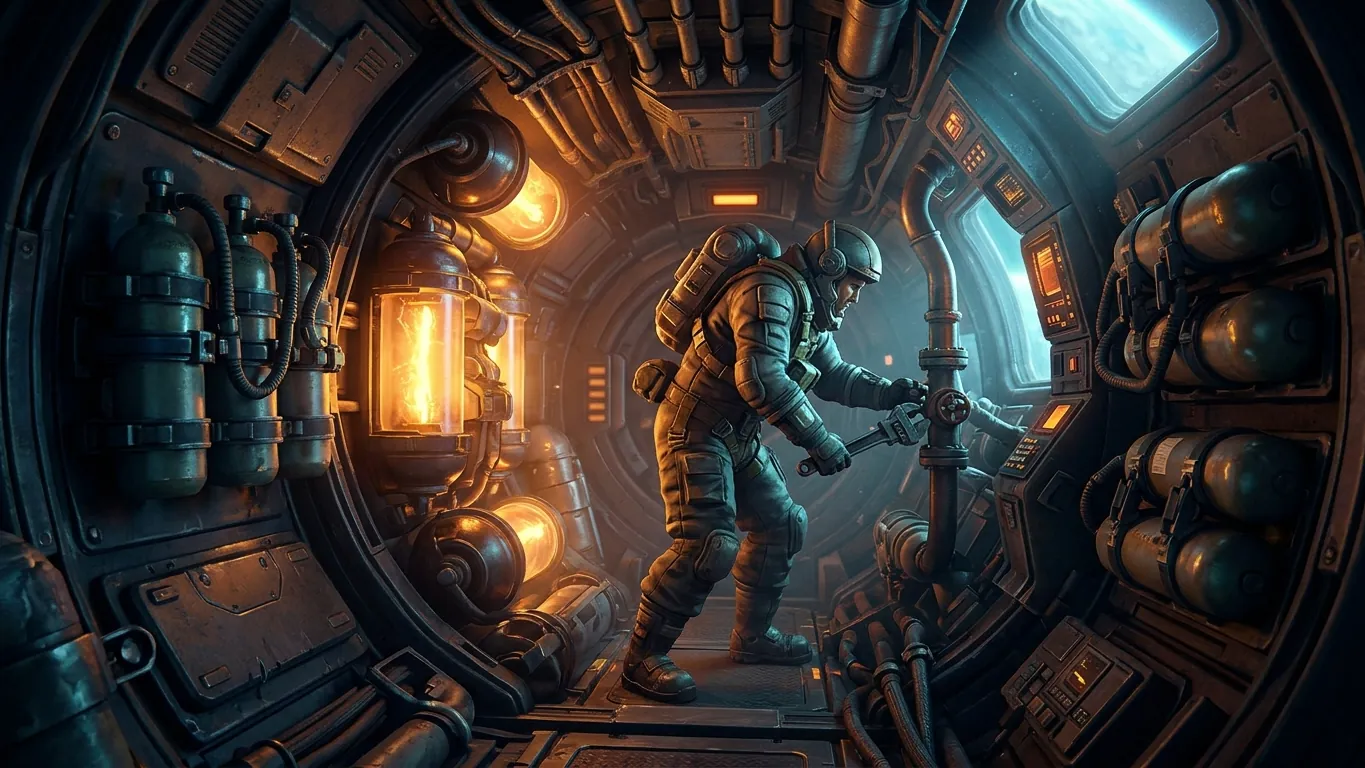 Fuel and oxygen budgeting for orbital rescues
Practical tips for budgeting fuel and oxygen in orbital rescue games, from keeping a return margin to knowing when to abort and try again.
Read more